Fred Hampton and the Rainbow Coalition
No Green Room will reach its fullest expression until it can assume the shape of a planetarium.
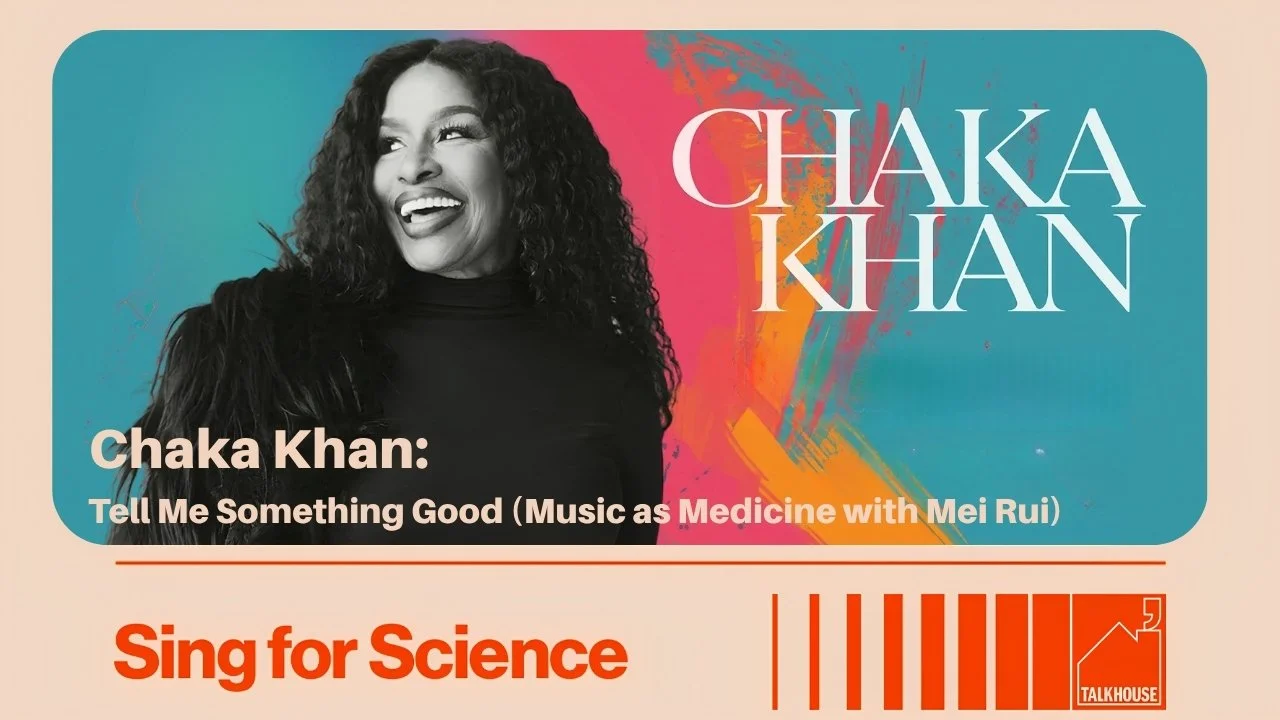
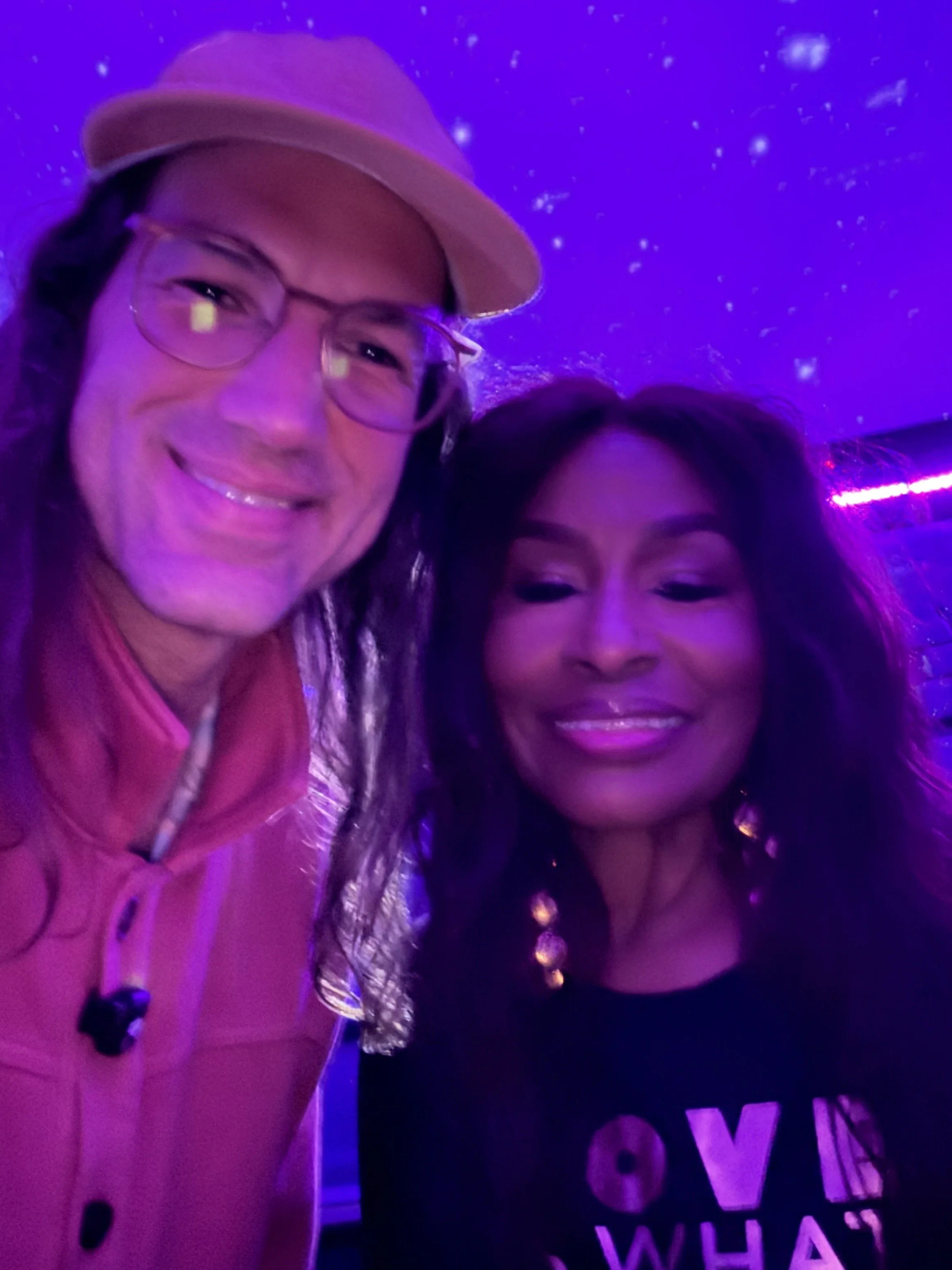
I’d yet to see a greater display of artist hospitality than what the Houston Museum of Natural Science put together for Chaka Khan’s taping of this week’s episode of Sing For Science. The Burke Baker Planetarium had been transformed into her private dressing room, complete with the night sky as it appeared on the day she was born projected across the dome and WELCOME CHAKA glittering overhead in a starry cluster.
This was the setting for our brief backstage conversation before Chaka joined neuroscientist Dr. Mei Rui onstage for our discussion about using music as medicine.
I can’t quite reconstruct how we got on the topic we did, as fifteen minutes inside a planetarium seems to warp one’s sense of time. Seated in the front row of an otherwise nearly empty dome, Chaka and I wound up talking about the chickens on her farm in Georgia, peppermint tea, and the Black Panther Party, and in a sequence I can’t reassemble.
When I first realized Chaka had been a Panther in Chicago during the late 1960s, I immediately began to wonder whether she’d known Fred Hampton. The timing and geography lined up, but it felt like a question that wasn’t likely to weave naturally into our onstage conversation, and one that shouldn’t be forced during our brief pre-show chat.
Then Chaka mentioned baking bread during her time with the Panthers.
“Did you know Fred Hampton?” I asked.
“Oh sure,” she replied without hesitation.
“He was my dear, dear friend. We used to bake bread together.”
And then, following the taping, down the rabbit hole I went.
Up until then, I’d had little more than flashcard-depth knowledge of Fred Hampton. Like many people, I knew him as the twenty-one-year-old leader of the Illinois Black Panther Party who was assassinated at the hands of Hoover’s FBI in the late 1960s. I also knew remarkably little about the Panthers themselves beyond the stock images of berets and rifles that tend to survive in popular memory.
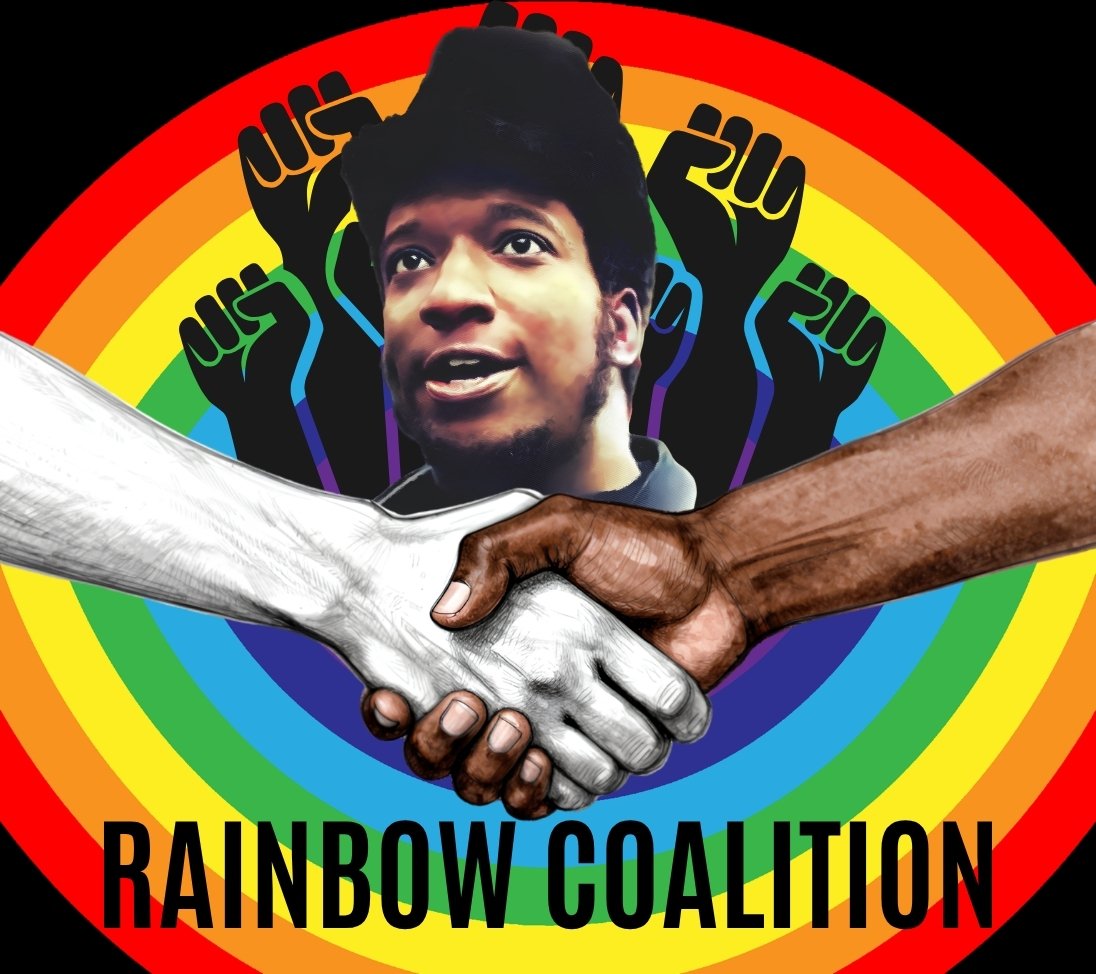
The more I read, the more vivid the picture became. I realized that the bread baking wasn’t the anecdotal detail it had initially seemed, but something integral to the movement itself. The Panthers’ survival programs included free breakfasts for children, community health clinics and educational initiatives alongside their political organizing. What I knew much less about was the Rainbow Coalition Hampton helped build, an alliance that brought together the Black Panthers, the largely Puerto Rican Young Lords, the Young Patriots Organization, whose members were mostly poor white migrants from Appalachia, and other community organizations around shared concerns like housing, healthcare and economic inequality.
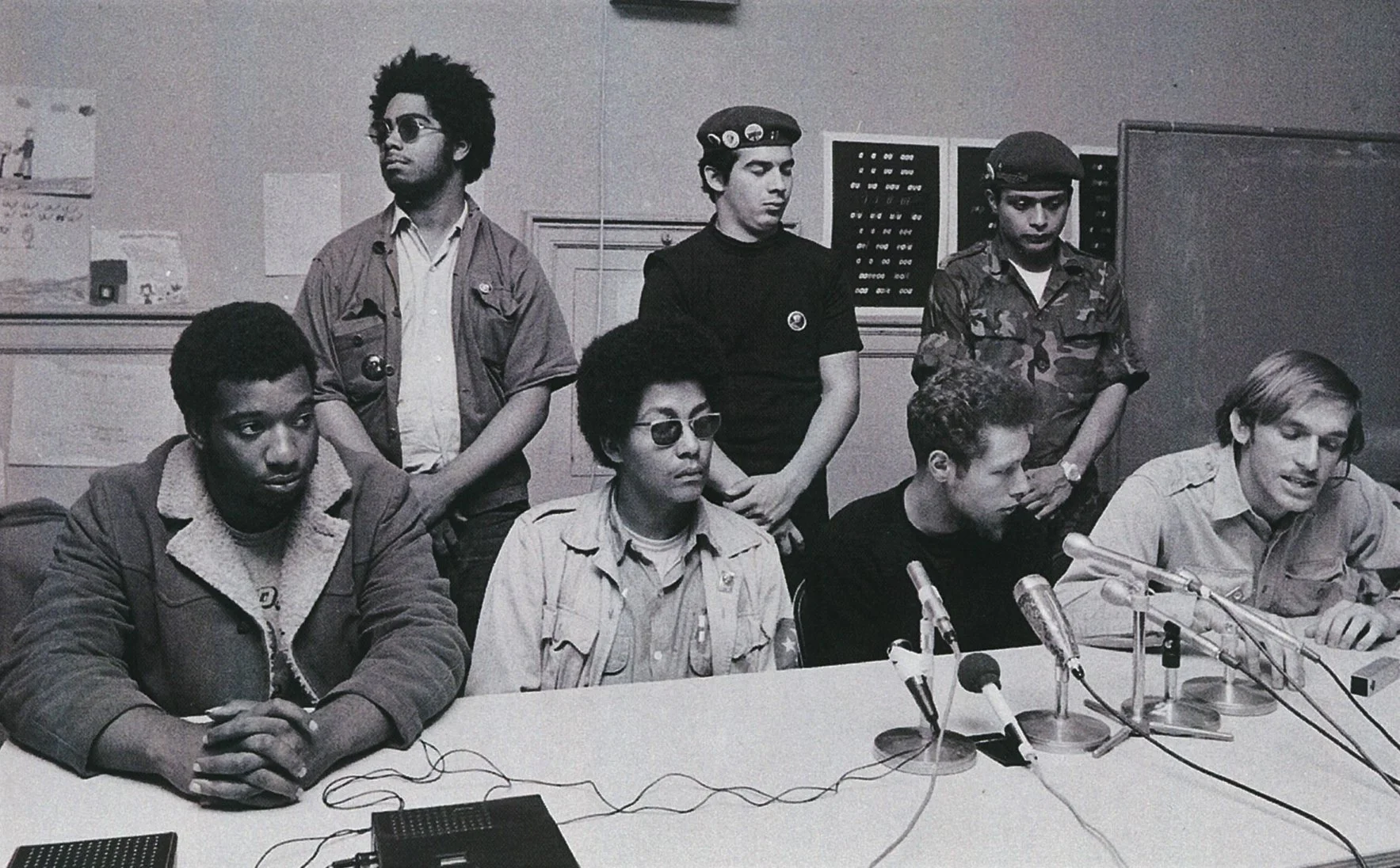
Reading about the Rainbow Coalition, I was struck by how tragically current it felt. Hampton wasn’t simply organizing across racial lines, he was organizing around class. His premise was that poor and working-class Americans had more in common with one another than the political establishment wanted them to believe.
That, in turn, reminded me of Martin Luther King Jr.‘s final years. By 1968, King had expanded his focus beyond civil rights toward economic justice, labor rights, and the Poor People’s Campaign. He, too, had begun organizing across racial lines around poverty and shared material conditions.
Whether that parallel is merely historical coincidence or something more is above my pay grade to assess. But it raises an eyebrow that two of America’s most compelling advocates for multiracial coalitions rooted in economic justice met such violent ends before either vision had much opportunity to mature.