A Brief & Partial History of Skinheads In Punk
Last week on Sing For Science, Dropkick Murphys singer Ken Casey talked with Dr. Phillip Atiba Solomon about the band’s song “Citizen I.C.E.” and how music can push against (or for) dehumanization. Being in the punk scene for decades, Casey delivered a lesson on punk rock subculture: from the ‘60s to the White House.
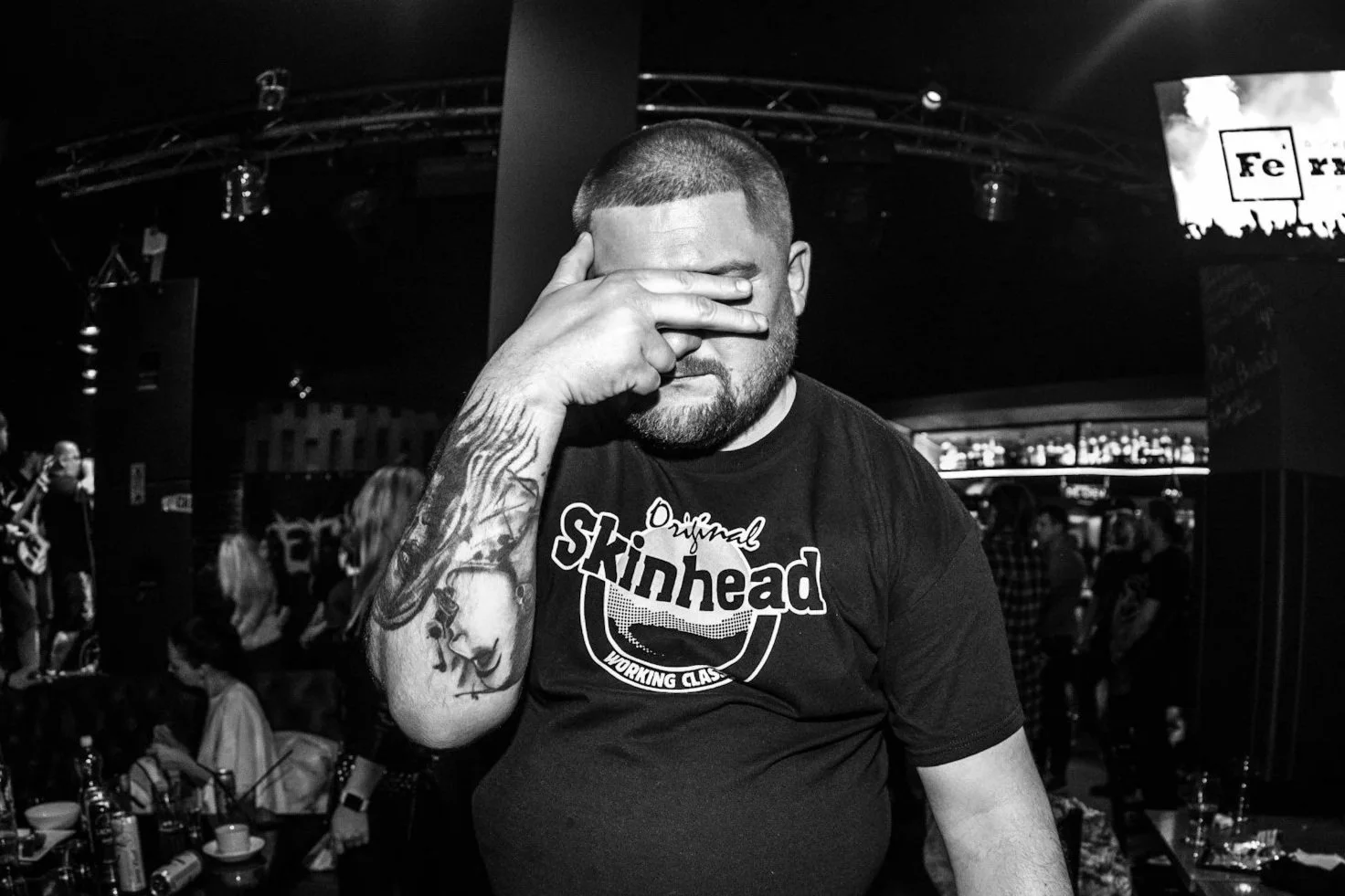
Neo-Nazi skinheads in the punk scene were once—surprise, surprise—disenfranchised white working-class youth, ultimately weaponized by the far-right UK political party, the National Front. In the late 1960s, skinhead culture emerged in London when Jamaican immigrants introduced young Britons to ska, rocksteady, and early reggae. Ironically, what would later become associated with white supremacy was, at its core, multiracial.
Culture is as fluid as it is porous and as economic strain intensified in the 1970s, political groups began to recognize that youth culture was ripe for exploitation. The National Front seized that opportunity, recruiting within punk and skinhead scenes, targeting young people already searching for belonging. Shows became not just cultural gatherings, but recruiting grounds.
What had been built around shared musical influence and community—the same inclusive inertia that, when left untouched, allows cultures to commingle and blend—was, in part, redirected toward exclusionary politics. Not entirely, and not without resistance in the punk scene, but enough to reshape how all skinheads were seen, both from within and without.
This pattern of fracture and division isn’t unique to one place or one moment, and Casey has had a front-row seat as present-day politics have divided his band’s mostly working-class fan base over the last ten years.
Casey says, “Of course, that spread to America. And you had the real punk rockers and real skinheads who were mortal enemy number one, racist skinheads, because it made them look bad… Our shows in the early days were the meeting spots for those two groups to the fight, and they were also the meeting spots for, sometimes when we were loading in our gear for the Nazis to show up.”
Dropkick Murphy’s new song, “Citizen I.C.E.,” is not unrelated. It’s about systems that create an “us” and “them” mentality. How dangerous things can become when those categories begin to calcify. You don’t have to look beyond punk itself to see how it happens. The history of skinhead culture offers a case study in how music builds community, community shapes identity, and identity can be co-opted.
“Now I say to people when they talk about Nazis in the scene, I go, they're not in the music scene anymore. We're small potatoes,” said Casey. “They're on college campuses, they're in the White House. They don't have to bother with disenfranchized youth in a punk rock show anymore.”
The groups that targeted these youth movements didn’t create something new from nothing. They stepped into an existing network of trust, built through music, style, and shared experience, then repurposed it.